Writing on records, rooms, and the tools around them.
Longer thoughts from the studio, the workshop, and the founder desk.
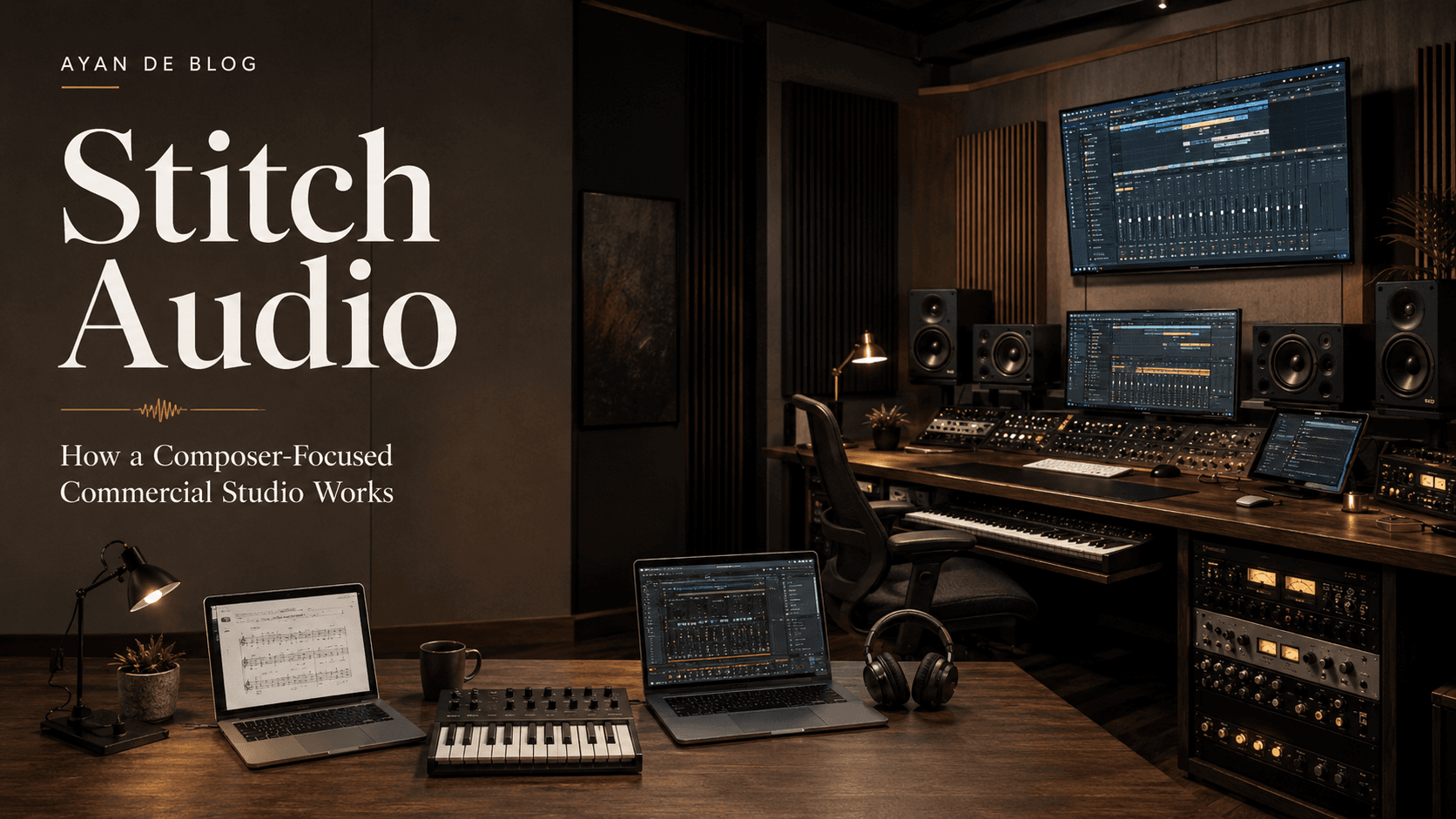
Stitch Audio: How a Composer-Focused Commercial Studio Actually Works
A commercial room does not have to replace a composer's personal setup. At its best, it becomes the part of that setup that would be impractical to own, maintain or operate alone.
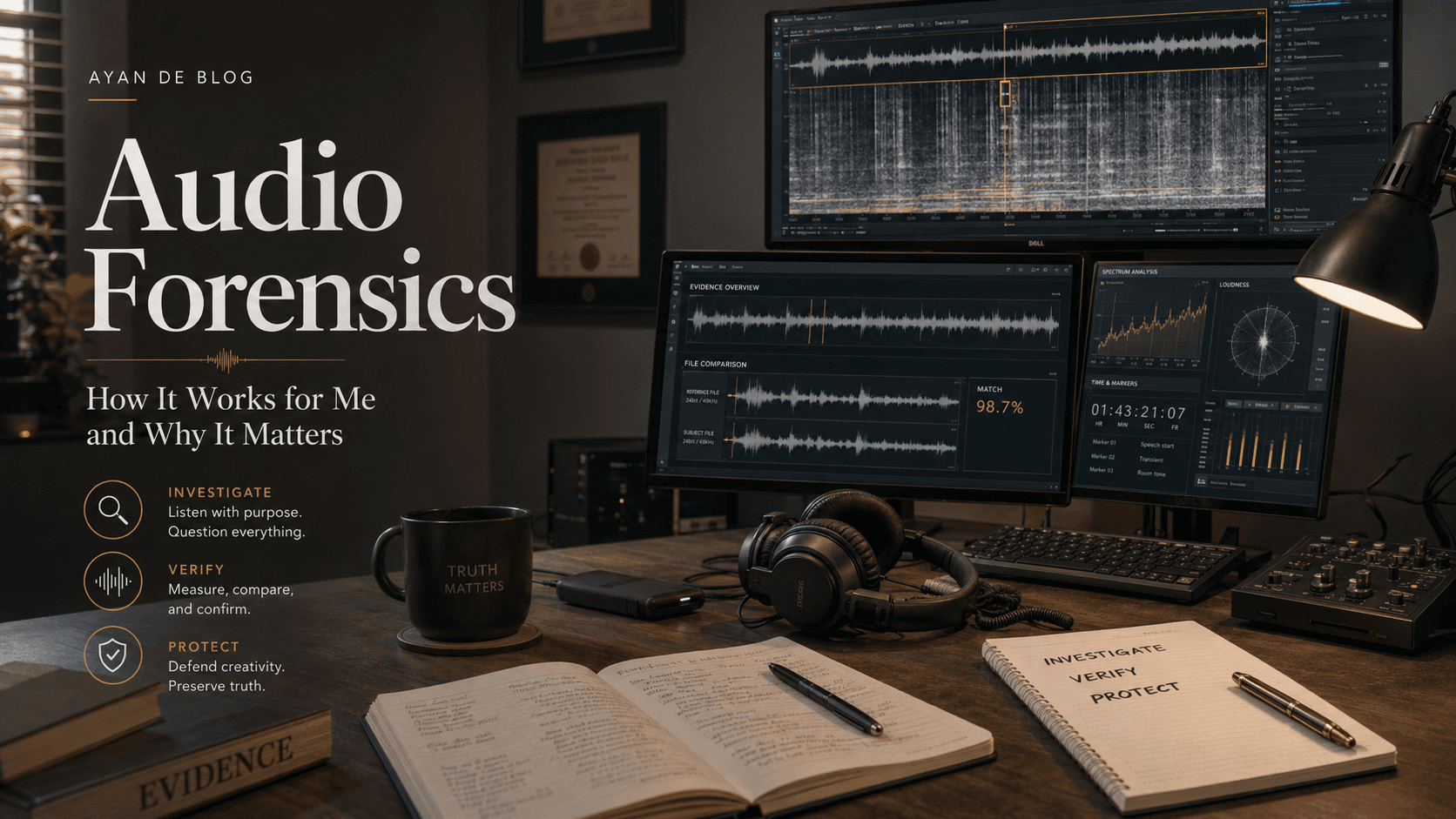
Audio Forensics: How I Use It and Why It Matters
Audio forensics is the process of examining a recording to understand where it came from, how it may have been altered, and whether it is connected to another known piece of audio. I use audio forensics when listening alone is not enough. A questioned recording may have been compressed, edited, pitch-shifted, recorded from a speaker, embedded inside a video, or reduced to a very short excerpt. Its filename may have changed, and its metadata may have disappeared entirely. The sound may still be recognisable, but proving the relationship between the discovered audio and the original recording requires a much more structured process. For me, audio forensics is not simply about finding a match. It is about building a clear technical account of what happened to a recording and presenting that account in a way that artists, labels, publishers, lawyers and other stakeholders can understand. That is why I built Silo Trace: to create a more complete workflow around audio registration, identification, comparison and reporting.
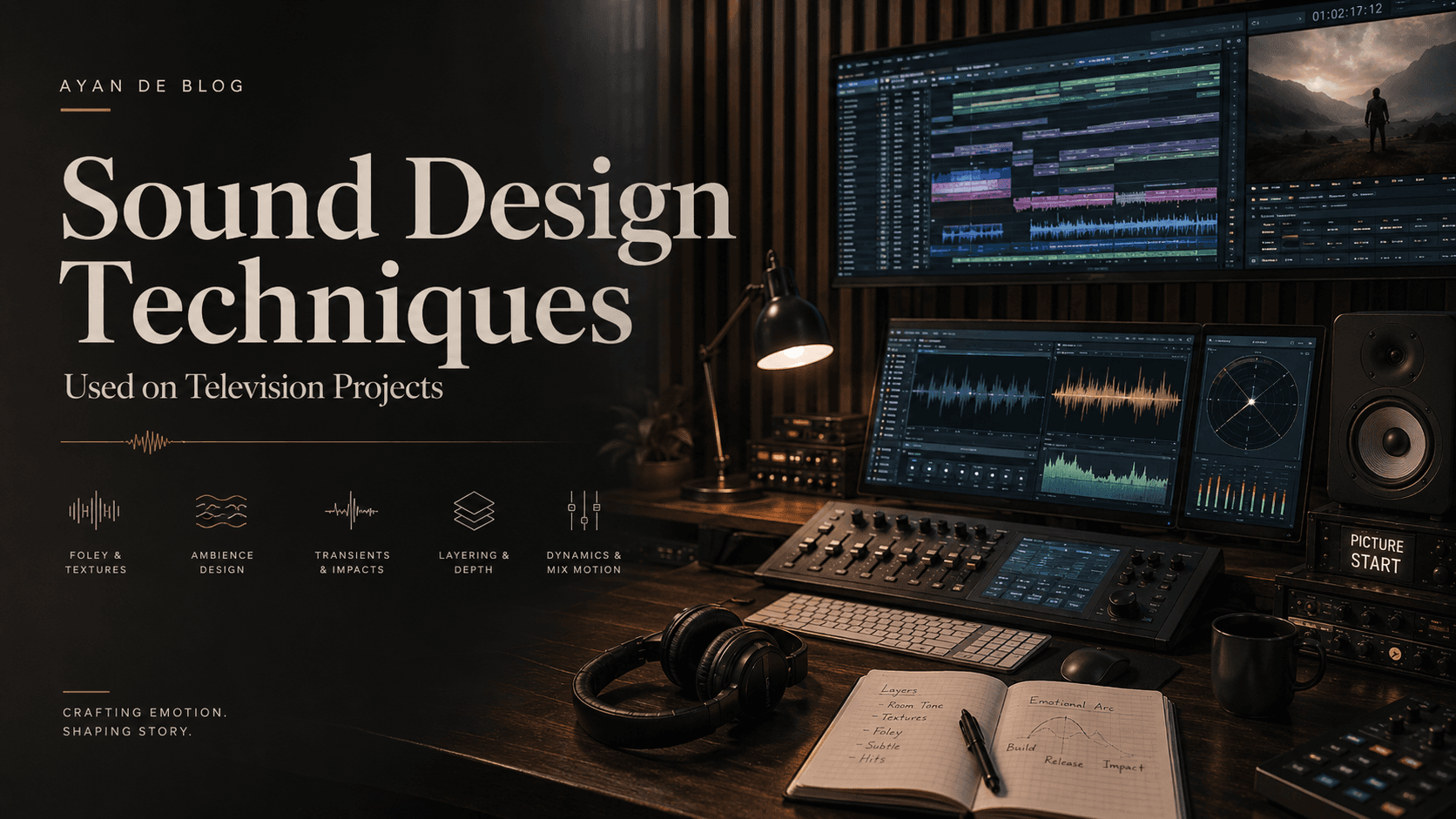
Sound-Design Techniques I Have Used on Popular Television Projects
The most effective television sound design is rarely the loudest or most complicated. It is the sound that makes a scene feel inevitable without drawing attention away from the story.
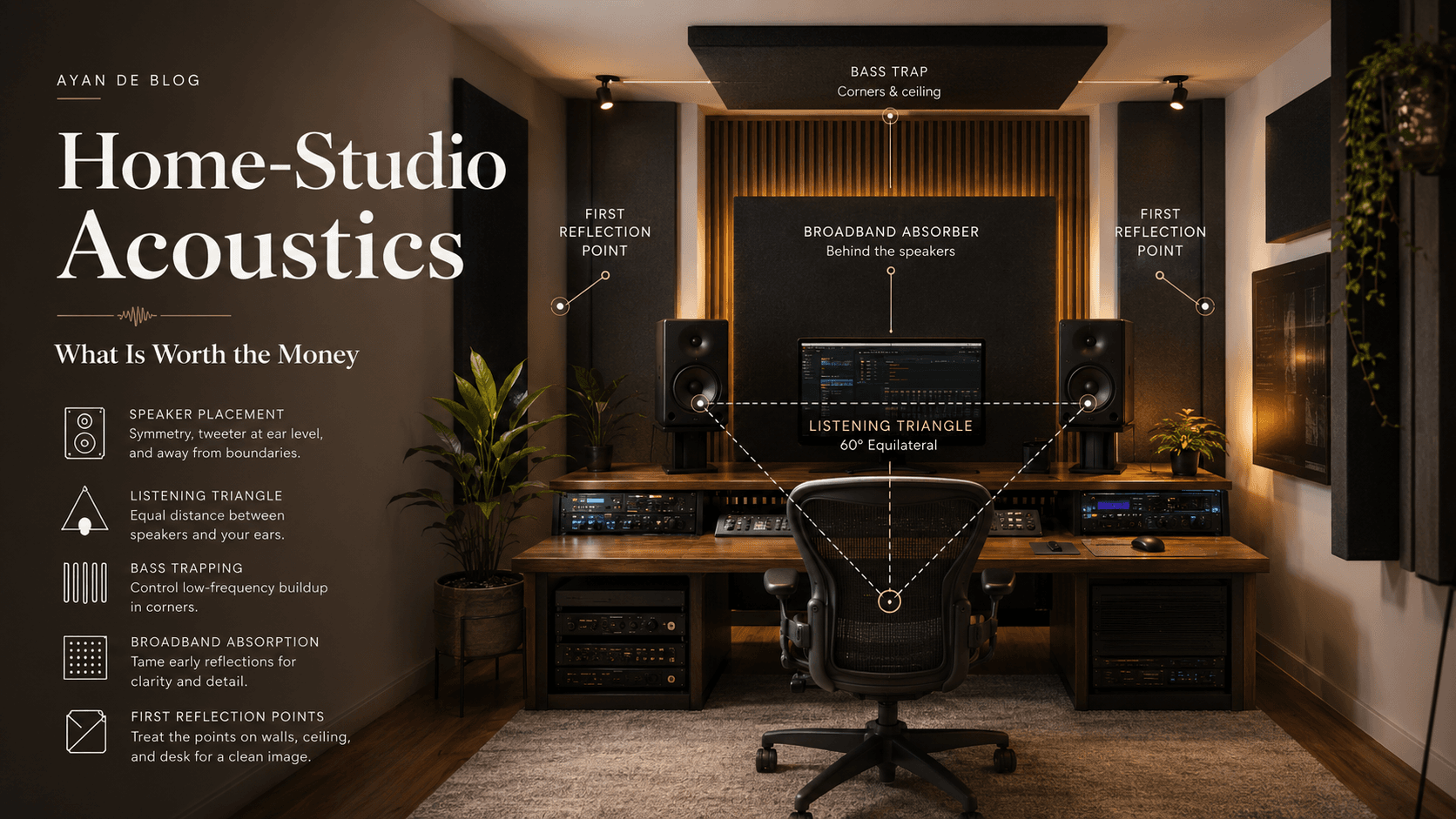
Home-Studio Acoustics: What Is Worth the Money—and What Is Not
The most expensive-looking acoustic product is not necessarily the most useful. In a small studio, measurement, placement and broadband absorption usually beat decoration.
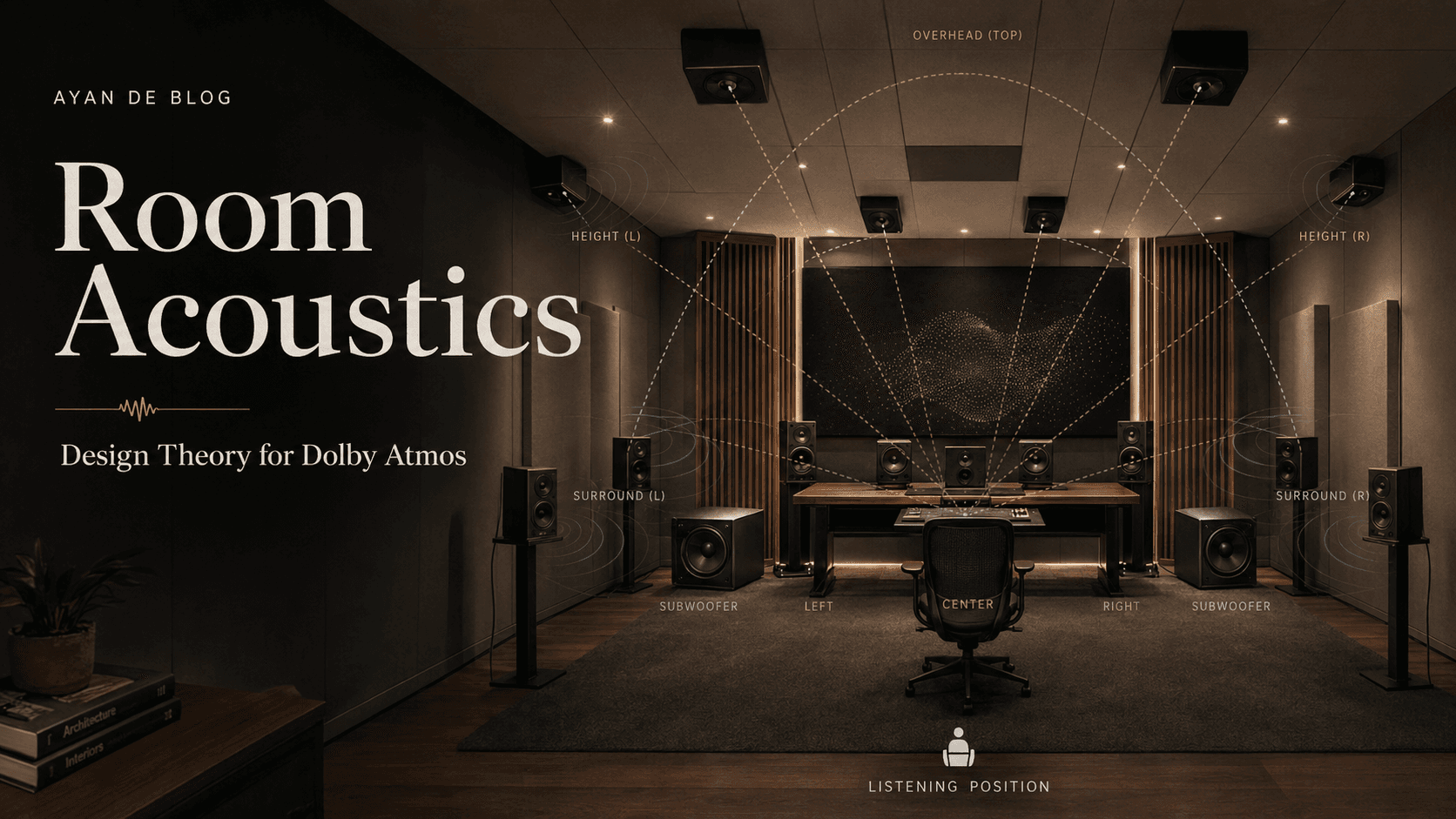
Room-Acoustic Design Theory for Dolby Atmos
An Atmos room is not simply a stereo room with speakers added to the ceiling. Its geometry, decay, calibration and consistency must support a stable three-dimensional listening field.
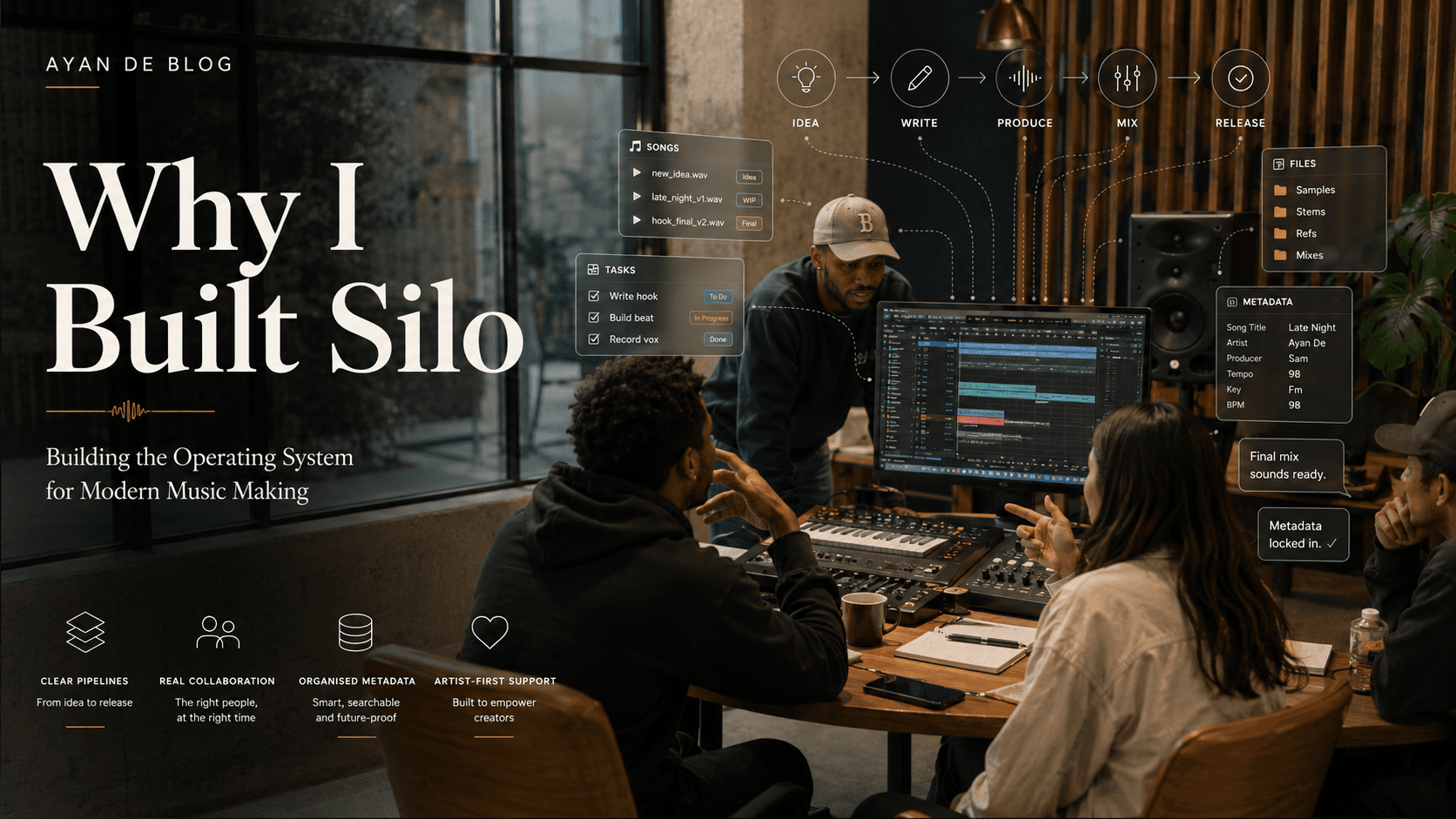
Why I Built Silo
Silo began with a problem I saw repeatedly: creative work, career administration and collaboration were happening in different places, with no shared memory of how a song moved from idea to release.
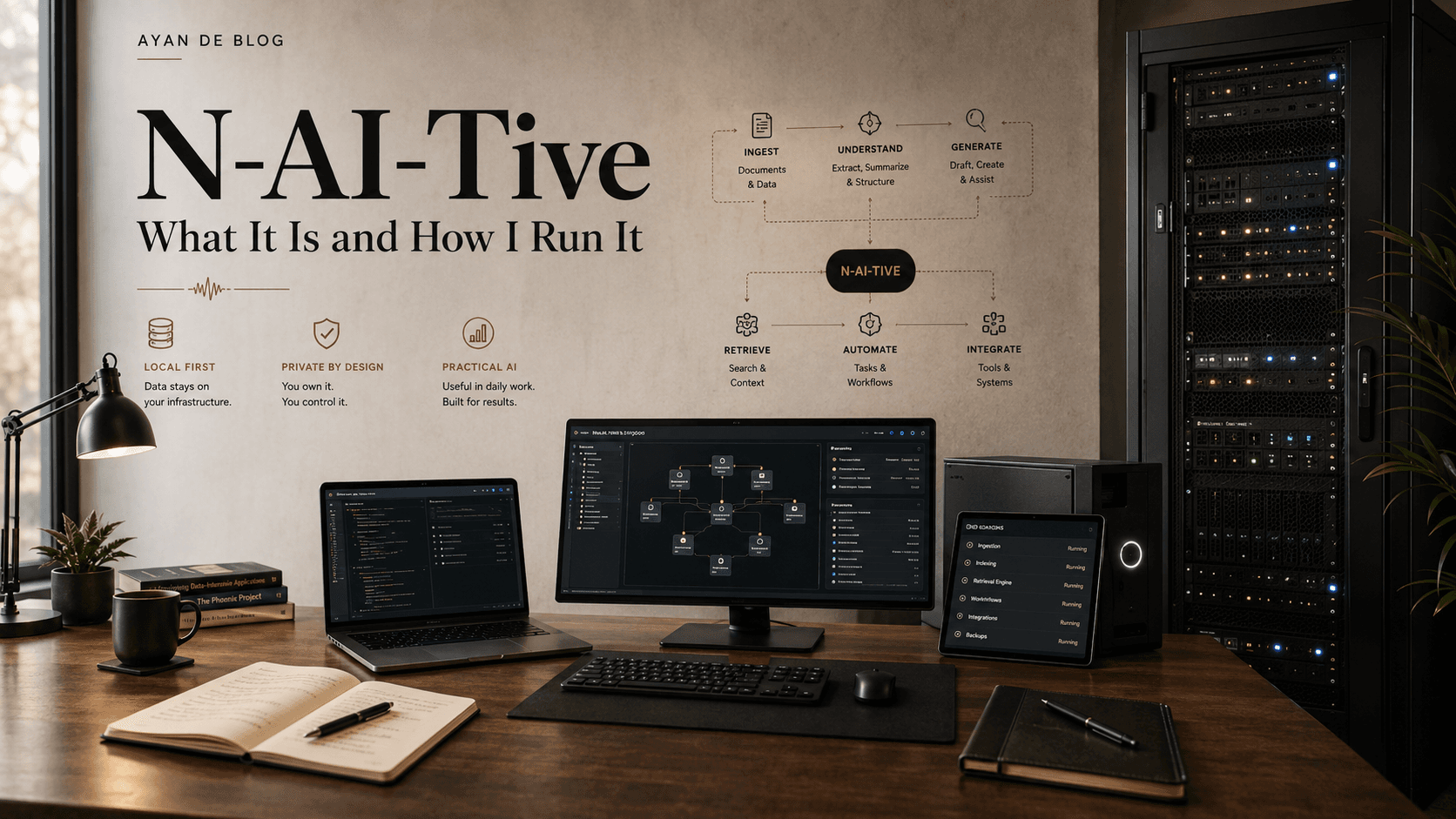
What Is N-AI-Tive—and How Is It Operated?
N-AI-Tive is an approach to private, locally operated AI for organisations that need useful automation without sending every internal task and document to a public cloud service.